Car Key Replacement by Vehicle Brand — What Actually Differs
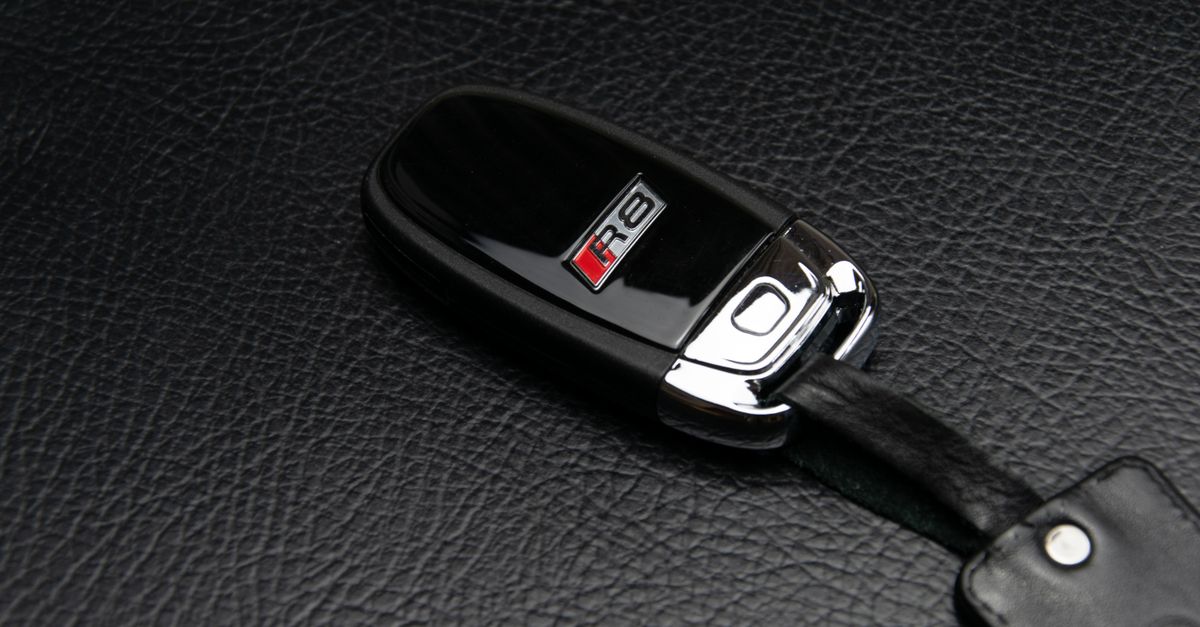
Not all car keys are created equal, and the differences go far deeper than the shape of the blade. A Toyota using a G or H chip transponder requires a completely different programming sequence than a Ford using a PATS (Passive Anti-Theft System) token, which in turn differs from a General Motors vehicle using a rolling-code key fob paired through the BCM. Our experienced technicians are trained on the specific immobilizer architectures of the most common brands on Columbia roads: Toyota, Honda, Ford, Chevrolet, GMC, Dodge, Ram, Chrysler, Jeep, Nissan, Hyundai, Kia, Subaru, BMW, Mercedes-Benz, Volkswagen, and more. For each brand, we carry the corresponding blank key stock, transponder chips, and OEM-compatible programming interfaces that allow us to generate and bind a new key to your vehicle's ECU without requiring the original key to be present.
European makes such as BMW and Mercedes-Benz use encrypted key data and proximity systems that demand advanced EEPROM-level access in some cases. Japanese brands like Honda and Subaru often require an on-board learning procedure that must be completed within a precise time window. American trucks — particularly Ram 1500 and Silverado models — frequently pair fob functions through a separate module that must be addressed independently of the ignition transponder. Knowing these differences before arriving at your vehicle is what separates a qualified mobile locksmith from a trial-and-error experience. We research your VIN-specific requirements before dispatching so we arrive prepared.