Hyundai Car Key Replacement: What Makes Hyundai Keys Different
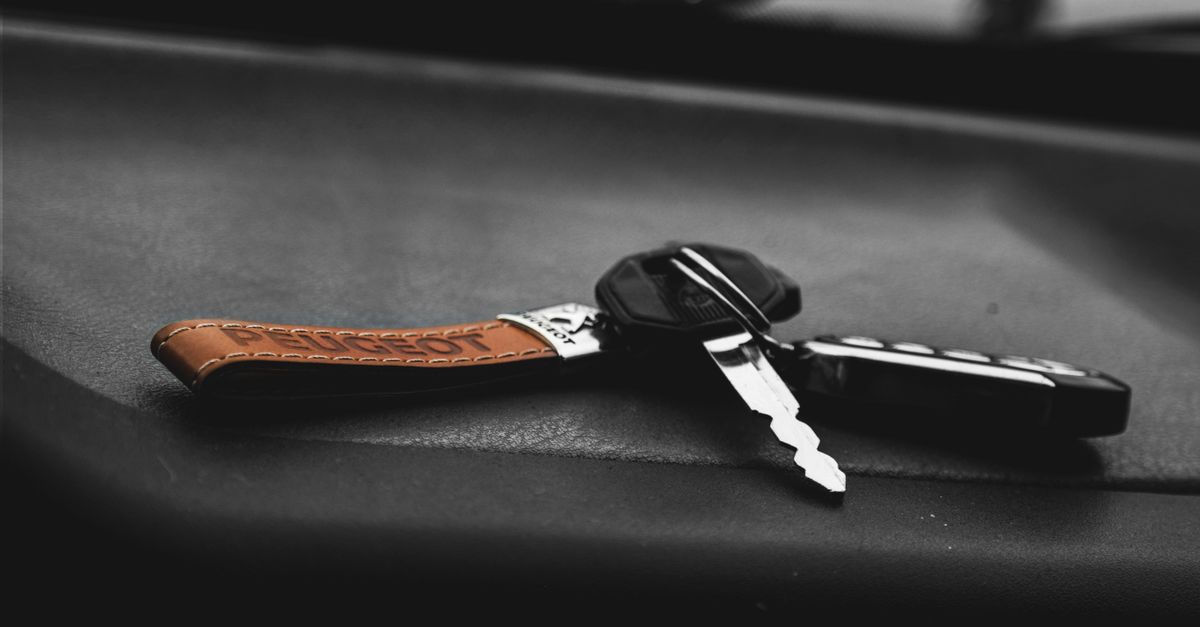
Hyundai has used several key technologies across its lineup over the years, and knowing which type your vehicle uses is the first step toward a fast resolution. Older Hyundai models may use a basic transponder key — a traditional-cut blade with a chip embedded in the plastic head that must be programmed to communicate with your car's engine control unit. Mid-generation Elantras and Sonatas commonly use this format. Newer models, including recent Tucson and Kona trims, often use a proximity smart key system where the fob stays in your pocket and the car detects it automatically. The push-to-start button won't respond unless the fob is recognized, which means a dead battery, a damaged fob, or an unprogrammed replacement will leave you stranded regardless of how physically intact the key looks.
Each of these systems requires different tools to service. Transponder keys need both mechanical cutting to match the blade profile and electronic programming to sync the chip. Smart key fobs require on-board diagnostic programming matched to your vehicle's VIN. Our technicians carry the equipment to handle all of these formats in the field, which means we can complete a Hyundai car key replacement at your location without towing your vehicle anywhere. We work on the full Hyundai lineup: Elantra, Elantra HEV, Sonata, Santa Fe, Tucson, Kona, Accent, Veloster, Palisade, Venue, and more.