What House Rekeying Actually Does to Your Lock
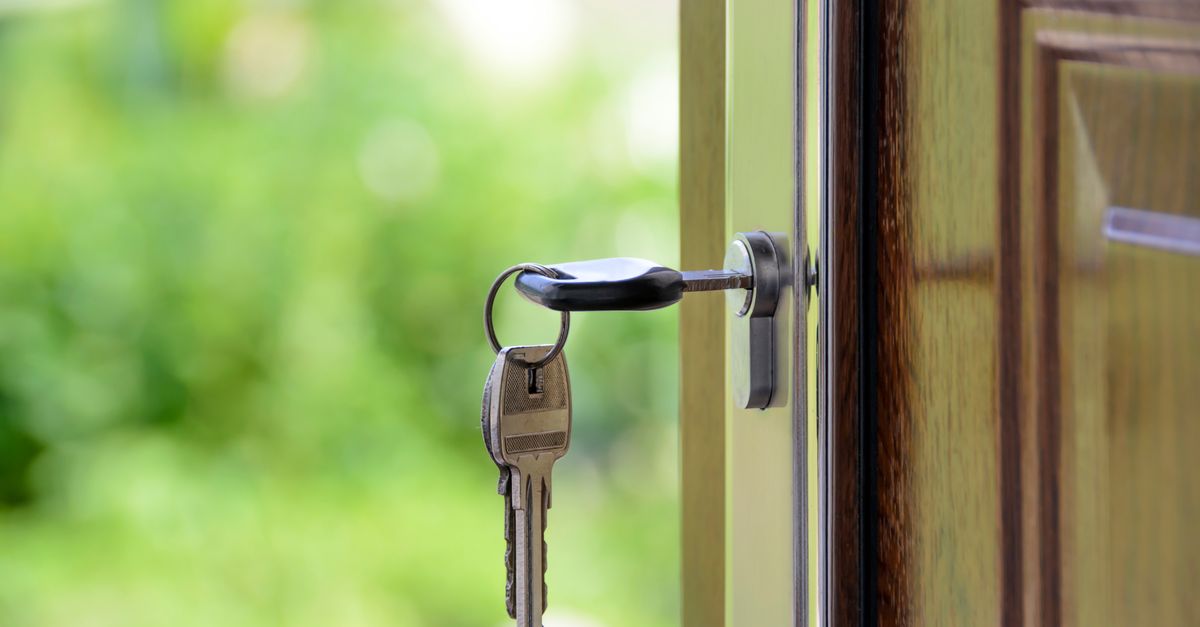
A lock works because its internal pins are cut to match one specific key. When you rekey a lock, a trained technician disassembles the lock cylinder and replaces those pins with a new set that corresponds to a fresh key cut. The lock hardware itself — the deadbolt, the knob, the strike plate, the trim — stays exactly where it is. You keep the same look, the same finish, and the same level of physical security. The only thing that changes is which key operates it. Anyone holding an old key will find it no longer works, period.
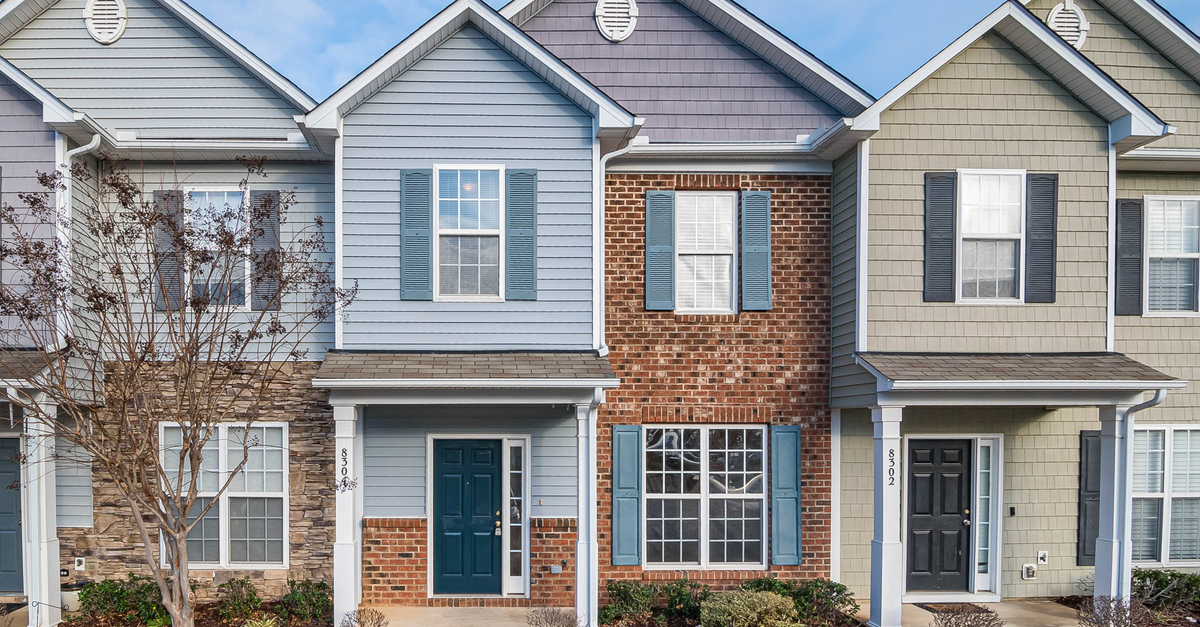
This matters enormously in real-world situations. Consider a scenario common across Columbia's rental market: a landlord hands a tenant four copies of a key. One goes to a partner, one to a family member, one gets lost at Williams-Brice Stadium during a Saturday game day, and only two are returned at move-out. A rekey renders all four original copies useless simultaneously, with one service visit. That outcome is simply not possible with a lock replacement alone — and rekeying typically requires fewer parts, which is why the factors that determine your final quote often work in your favor.